NΞXUS ΛI PORTFOLIO

Portfolio window · Entry from 17 July until 13 September
What is EF-3 Expansion?
EF-3 is an analytical pattern used by our desk to describe three simultaneously active growth factors that begin to dominate market pricing at the same time. When those factors align, they can push risk assets higher both selectively (sector and single-name moves) and globally (broad index and liquidity regime). In the current window we identify three dominant drivers that, in our view, can remain market-relevant for at least the next two months — and likely into the autumn midterm cycle.

1 · EF-3 as a coincidence pattern — not a single headline
Most investors react to one story at a time. EF-3 is different: it maps overlapping catalysts that reinforce each other. Factor 1 is the U.S. political calendar and the administration’s incentive for calmer risk markets ahead of the 3 November 2026 midterms. Factor 2 is Middle East conflict risk — especially the Strait of Hormuz oil channel and defense / commodities exposure. Factor 3 is the multi-month earnings reporting cycle that runs from the current summer season through the Q3 window into November. When all three are live together, volatility becomes tradable — and structured sleeves can capture both tactical and broader upside.
2 · Factor 1 — Midterms, Trump, and the push for a calmer market
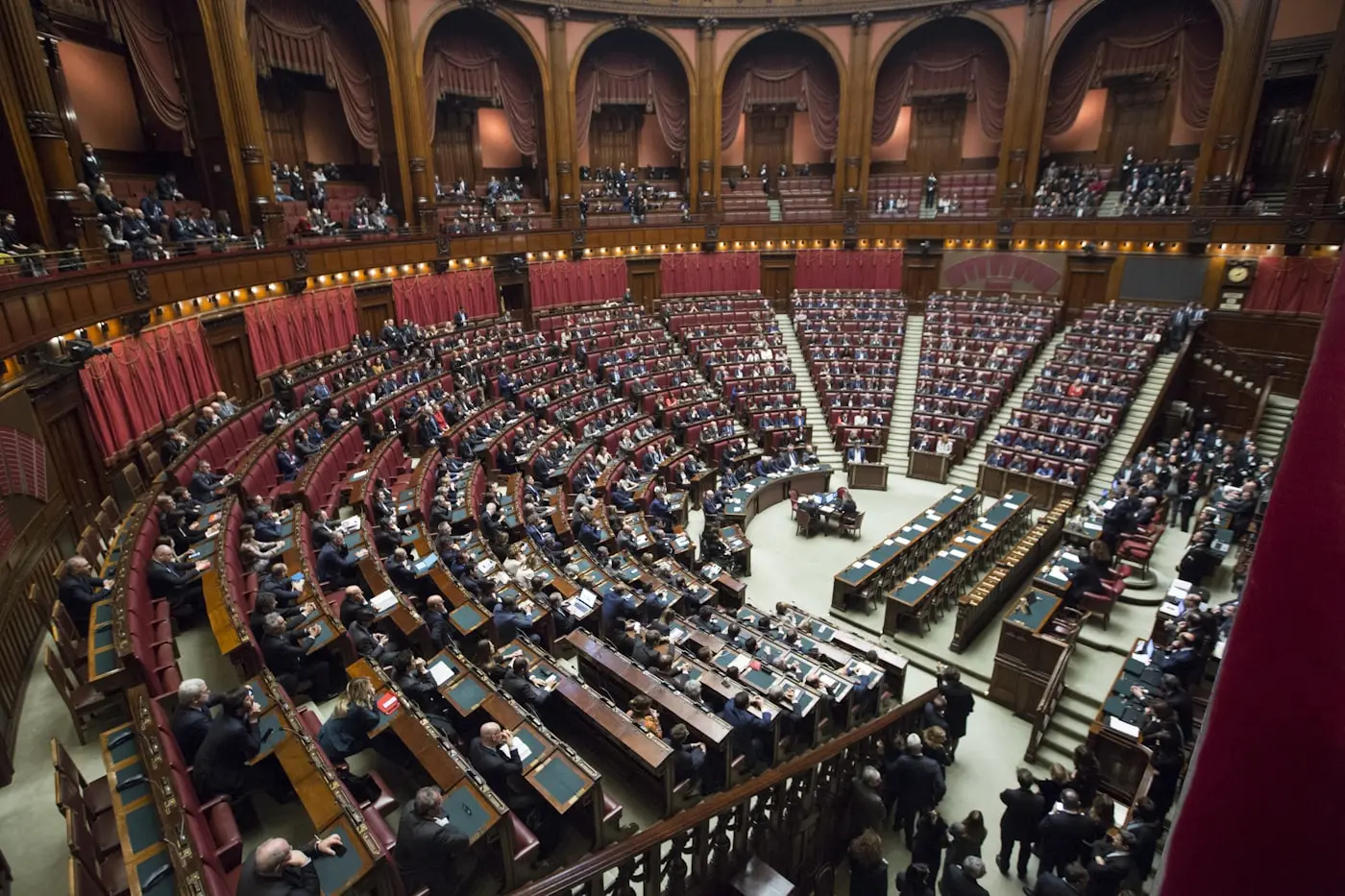
The 2026 midterm elections are scheduled for Tuesday, 3 November 2026, during President Donald Trump’s second term. All 435 House seats are contested, along with a large Senate class — a classic midcycle referendum on the White House. Polling and market commentary in July have repeatedly framed the Iran conflict as a political risk for Republicans: voters link energy prices, inflation, and conflict fatigue to the ballot box. That creates a powerful incentive for the administration to deliver a more stable, constructive market backdrop — fewer shock headlines, cooler oil, and a narrative that Washington is “focused on the campaign,” not perpetual crisis.
In mid-June the U.S. and Iran signed a memorandum of understanding (MOU) framed as a path toward ending the war and easing pressure on energy markets. Trump publicly sold the deal as a step toward peace and security in the region. Markets treated any credible de-escalation as risk-on: lower geopolitical premium, better equity sentiment. Even when Trump later said the MOU “is over” after overnight exchanges (early July, NATO summit in Ankara), negotiators such as Steve Witkoff and Jared Kushner were still described as willing to keep talking — and analysts noted he remains unlikely to want a full-blown war running into the election window.
For EF-3 this is Factor 1: politics is now a primary market driver. Every speech about focusing on elections, every attempt to lock in a Middle East settlement, and every hint of lower oil / lower inflation feeds the same thesis — the White House needs a constructive tape into November. That supports both broad equity risk appetite and selective sleeves built for a multi-month policy-and-liquidity window.

3 · Factor 2 — Hormuz, oil swings, and commodity leverage
The Strait of Hormuz carries roughly one-fifth of global oil and LNG shipments. When shipping risk rises — blockades, strikes on tankers, Iranian threats to close the waterway, or U.S. naval pressure — crude rebuilds a geopolitical risk premium. In recent months Brent has repeatedly surged on escalation headlines (including moves toward the mid-$80s and warnings from banks that stalled Gulf exports could push prices much higher). When corridors reopen or a ceasefire narrative returns, oil can fall just as fast. That binary open/closed dynamic is exactly what active desks trade.
For EF-3, Hormuz volatility is not only a macro risk — it is a profit engine in energy and commodities. Energy producers, integrated oil majors, and related commodity names tend to reprice quickly when tanker traffic and insurance risk shift. Our desk treats those swings as core Factor 2 flows: position for spikes when the strait tightens, and for mean-reversion / broader risk-on when diplomacy cools the tape — while always sizing around the political calendar in Factor 1.

4 · Factor 2 continued — defense contracts and the militarized tape
Conflict with Iran has also re-rated the defense and military-industrial complex. During escalation windows, investors have piled into primes and defense-tech names — including large moves in names such as Lockheed Martin (LMT), Northrop Grumman (NOC), and intelligence/AI contractors like Palantir (PLTR) — on expectations of sustained spending, replenishment orders, and maritime / air operations. Fresh airstrike cycles, tanker incidents, and naval blockade talk keep that narrative alive even when oil headlines dominate the front page.
EF-3 therefore splits Factor 2 into two sleeves that often move together: commodities / energy (Hormuz supply shocks) and defense / military contracts (war-economy demand). For a structured portfolio, that means you do not need to “pick a side” of the conflict narrative — you map the cash-flow paths that markets already reward when geopolitics stays hot.

5 · Factor 3 — Earnings season from summer into November
The third EF-3 driver is the corporate reporting cycle. The Q2 2026 earnings season (results for April–June) began around mid-July with the major banks and typically runs through August as mega-cap technology follows. After that, the market transitions into the Q3 reporting season — covering July–September results — which historically opens in mid-October and stretches into mid-November, with SEC filing deadlines clustered in early-to-mid November for most filers.
That means from now through autumn, equities are continuously repriced by guidance, margins, buybacks, and sector rotations — not only by geopolitics. Banks set the tone first; then Big Tech and the long tail of S&P 500 names keep volatility and opportunity elevated for weeks. Overlay that calendar with Factor 1 (midterms on 3 November) and Factor 2 (Hormuz / defense), and you get the EF-3 stack: a multi-month window where fundamental catalysts and macro headlines reinforce each other instead of trading in isolation.
Our operational portfolio window — 17 July to 13 September — sits inside that broader July→November reporting arc: early enough to position before the densest Q3 print cluster, and late enough to already trade the live Q2 season and the geopolitics that are moving oil, defense, and risk appetite today.
NΞXUS ΛI has already built three ready-made portfolios for EF-3
You do not need to assemble tickers across politics, energy, defense, and earnings season yourself. Our structuring desk has pre-built three distinct EF-3 Expansion portfolios — each sized for a different capital tier, with liquidity rules and outcome bands tuned to the same three-factor stack. Select your level above; each option opens a self-contained offer with terms, funding instructions, and live status inside the app.
1-st Level — EF-3 starter sleeve
Level 1 is the entry sleeve for EF-3 Expansion: a compact, pre-built basket that tracks the same three coinciding growth factors — midterm politics, Hormuz / energy & defense, and the earnings cycle — without the capital commitment of the higher tiers. It is built for investors who want structured access to the pattern at a modest ticket size while the 17 July – 13 September window is open.
The sleeve focuses on liquid, high-beta expressions of the EF-3 stack: energy and commodity names sensitive to Strait of Hormuz headlines, selected defense / intelligence contractors that reprice on conflict spending, and large-cap equities that move with the summer–autumn reporting season and policy sentiment into the 3 November 2026 midterms.
Exposure can scale with the brokerage leverage applied at purchase — a higher ratio increases notional size on the same cash deposit. We recommend funding between 1:1 and 1:5 leverage so margin use stays proportionate to the short EF-3 window and your available balance of $71,150.00.
What is held in this sleeve
Level 1 concentrates on the most direct EF-3 channels — politics-driven risk appetite, oil / commodities, defense, and earnings-season equity momentum:
- Energy / crude complex — Hormuz open/close volatility and oil risk premium
- Integrated oil & commodities — producers and related commodity exposures
- Defense primes — Lockheed Martin (LMT), Northrop Grumman (NOC) and peers
- Defense / intel tech — Palantir (PLTR) and contract-sensitive platforms
- Mega-cap & index beta — names that reprice with midterm policy and earnings
- Selected large-cap tech — reporting-cycle movers through the summer season
- Rotating event names — short-window additions sized to the live headline set
2-nd Level — enhanced EF-3 allocation
Level 2 keeps the same EF-3 logic as Level 1 — three coinciding growth factors — but at a higher capital tier with wider participation limits and a fuller macro overlay. It suits investors who want more notional exposure to politics, Hormuz / defense, and the earnings calendar while the portfolio window is still open.
At this tier we treat Trump-era midterm positioning and Middle East risk not only as headlines, but as a macroeconomic catalyst stack: energy inflation, defense spending, dollar and index volatility, and sector rotation around reporting season. That broader map is why Level 2 can target a higher outcome band (~57%) on the $319,050.00 available-balance requirement.
Effective exposure scales with brokerage leverage. We recommend funding between 1:1 and 1:10 leverage so margin use stays aligned with the 17 July – 13 September window and your free balance.
What is held in this sleeve
Level 2 carries the Level 1 EF-3 equity / commodity / defense core, plus index, dollar, and FX overlays sized for the wider macro move through autumn:
- Energy / crude & commodities — Hormuz supply shocks and oil premium
- Defense primes & intel tech — LMT, NOC, PLTR and contract-driven peers
- Mega-cap & earnings-season equity — Q2 into Q3 reporting momentum
- Policy / midterm beta names — equities sensitive to election-window risk appetite
- U.S. Dollar Index (DXY) — dollar strength / weakness around geopolitics and Fed path
- EUR/USD & GBP/USD — major G10 pairs tied to USD repricing
- USD/JPY & USD/CHF — safe-haven and funding-currency crosses
- S&P 500 (SPX) — broad U.S. equity benchmark
- Nasdaq 100 (NDX) — growth and mega-cap tech index
- Dow Jones (DJI) — blue-chip industrial benchmark
- Russell 2000 (RUT) — small-cap risk-on / risk-off gauge
EF-3 Pool — high-velocity pattern capture
The EF-3 Pool is the highest tier in this stack — a closed-desk structure inside NΞXUS ΛI built to trade the full three-factor pattern with institutional depth. The mandate is aggressive but controlled: catch the same coinciding drivers (midterm politics, Hormuz / defense, earnings) in a concentrated window where balance can be doubled or tripled when the pattern prints cleanly — illustrative outcome band ~150% on $1,209,000.00 (toward a 2×–3× path).
Participation is reserved for clients with a verified track record of strong execution and a healthy profit-to-risk profile. Behind the pool sits our news engine: every Trump / Iran / Hormuz / earnings catalyst is stress-tested across technical, fundamental, and macroeconomic layers before capital is deployed — including supplemental firm capacity that retail channels cannot match.

Trump actions · the pattern accelerator
Pool trading treats the White House calendar as a live volatility engine. Midterm pressure, Iran MOU headlines, ceasefire / escalation flips, and “focus on the election” messaging can reprice risk assets in hours. The EF-3 Pool is built to strike when that political tape aligns with energy and earnings — not to wait for a single slow narrative.

Hormuz · binary oil moves, binary opportunity
When the strait tightens, oil and energy beta can spike; when diplomacy cools shipping risk, the premium can unwind just as fast. Pool capital is sized to trade those open / close swings aggressively — the same binary that retail often watches too late.

Defense contracts · the second punch
Escalation windows have already shown how defense and intel names can gap on spending expectations. The pool layers that militarized demand on top of oil and politics so a single news cluster can push multiple sleeves at once — the mechanics behind a fast double or triple scenario when the EF-3 stack fires together.
Analyst-led entry only
Access to the EF-3 Pool is by invitation. To enter, you must have a verified track record of strong trading performance and a healthy balance between realised profit and controlled drawdown.
Once approved, every signal, allocation update, and portfolio brief is delivered personally by your assigned NΞXUS ΛI analyst — not through automated alerts or generic app templates. Timing for political headlines, Hormuz risk, and earnings prints is explained one-to-one before capital is committed.